


Unlocking Connectivity Potential Through Advanced Open Source Internet of Things Ecosystems
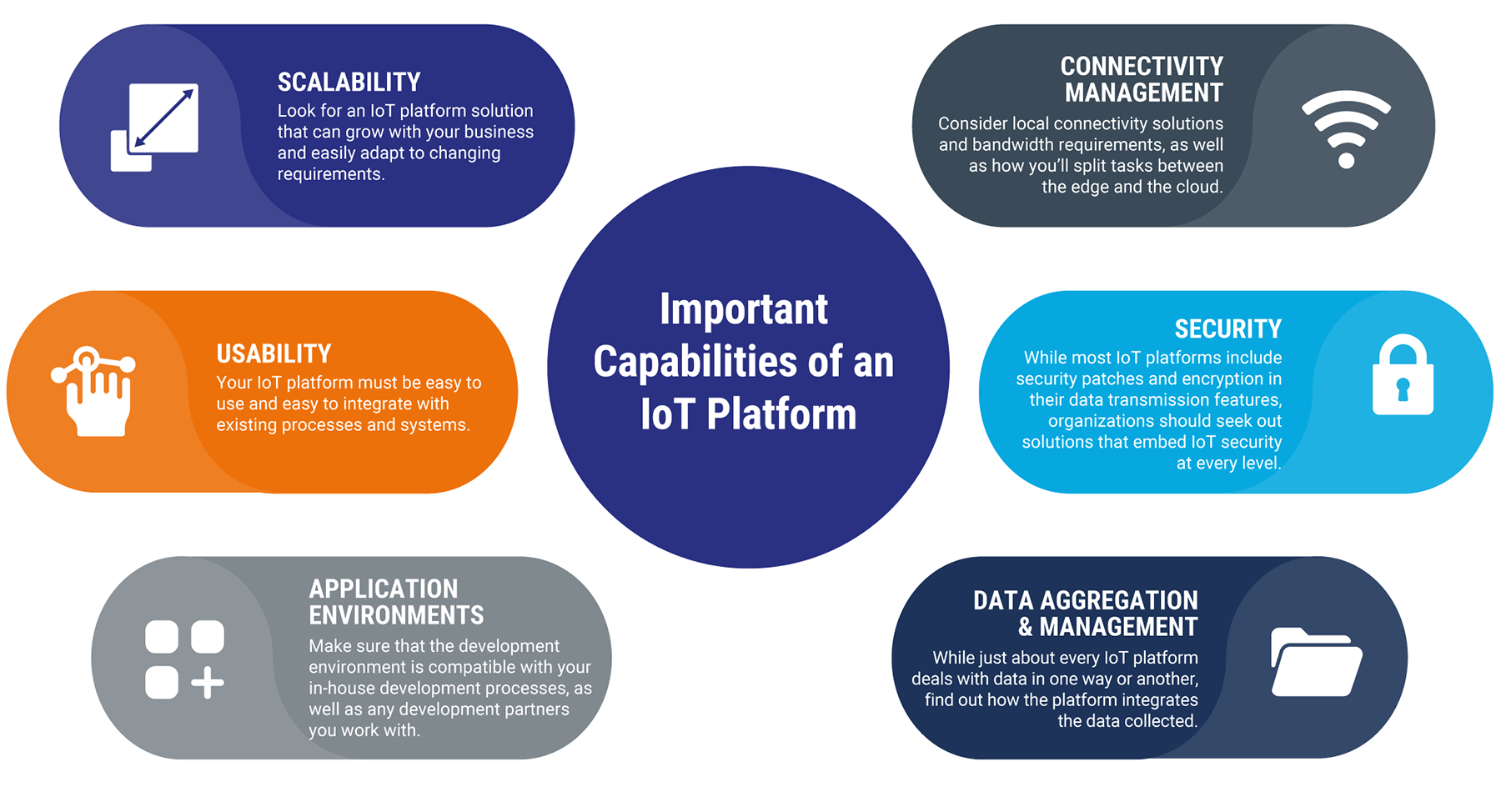
The modern digital landscape is undergoing a massive transformation as businesses shift away from proprietary, siloed systems toward more inclusive and flexible architectures. Central to this shift is the concept of a standardized ecosystem that allows devices from different manufacturers to communicate seamlessly. The Open IoT Platform is becoming a cornerstone for enterprise innovation, enabling developers to build applications that are not restricted by vendor lock-in. This freedom allows for rapid prototyping and deployment of smart solutions across various verticals, including healthcare, agriculture, and smart cities. As organizations realize the cost benefits of using open-source middleware to manage their device fleets, the demand for these platforms has surged. Financial projections support this aggressive expansion in adoption rates globally. Specifically, the Open IoT Platform Market is Estimated to Reach a Valuation from USD 14.83 Billion to USD 40.6 Billion by 2035, Growing at a CAGR of 10.6% During 2025 - 2035. This growth trajectory indicates that open standards will likely become the default for future connectivity.
The technical superiority of open platforms lies in their ability to foster interoperability and scalability, which are two of the most significant challenges in the Internet of Things (IoT) sector today. Unlike closed systems that require specific hardware or proprietary protocols, open platforms utilize standard APIs and open-source code that can be modified to fit unique business requirements. This flexibility is crucial for industries that rely on legacy equipment, as open platforms can often bridge the gap between old machinery and modern cloud analytics without requiring a complete infrastructure overhaul. Furthermore, the community-driven nature of these platforms ensures that security patches and feature updates are developed rapidly. A vast community of global developers constantly scrutinizes the code, identifying vulnerabilities and optimizing performance, which results in a more robust and secure environment for critical data transmission compared to some closed-source alternatives that rely on security through obscurity.
However, the transition to these open ecosystems is not without its specific set of challenges that organizations must navigate carefully. One of the primary concerns remains the complexity of integration, as open platforms often require a higher level of technical expertise to configure and maintain compared to "plug-and-play" proprietary solutions. There is also the issue of fragmentation; with so many different open-source standards and protocols available—such as MQTT, CoAP, and HTTP—choosing the right combination for a specific use case can be daunting for decision-makers. Additionally, while the software itself might be free or low-cost, the total cost of ownership can rise when factoring in the engineering hours required for customization and ongoing system management. Support is another variable; unlike proprietary software that comes with a dedicated service level agreement (SLA), open-source support often relies on community forums or third-party consultants, which can pose a risk for mission-critical industrial applications requiring 24/7 uptime.
Looking ahead, the future of connectivity will increasingly depend on the convergence of open IoT platforms with advanced technologies like Artificial Intelligence (AI) and Machine Learning (ML). As these platforms collect vast amounts of unstructured data from millions of sensors, the ability to process this information at the edge becomes paramount. We are moving toward an era of "Open Edge Computing," where the platform not only facilitates communication but also hosts intelligence locally on the device. This evolution will drastically reduce latency and bandwidth costs, making real-time autonomous decision-making a reality for autonomous vehicles and robotic manufacturing. Ultimately, the democratization of IoT technology through open platforms will drive a new wave of digital entrepreneurship, allowing small to medium-sized enterprises to compete with tech giants by leveraging powerful, accessible, and standardized tools to create the next generation of smart applications.
Explore More Like This in Our Regional Reports:
Spain Server Storage Area Network Market

 English
 Turkish
 French
 Spanish
 Portuguese
 Deutsch
 Arabic
 Dutch
Dutch
 Italiano
 Romaian
 Portuguese (Brazil)
 Greek
Greek