


Connected Vehicles and Their Impact on Fleet Monitoring
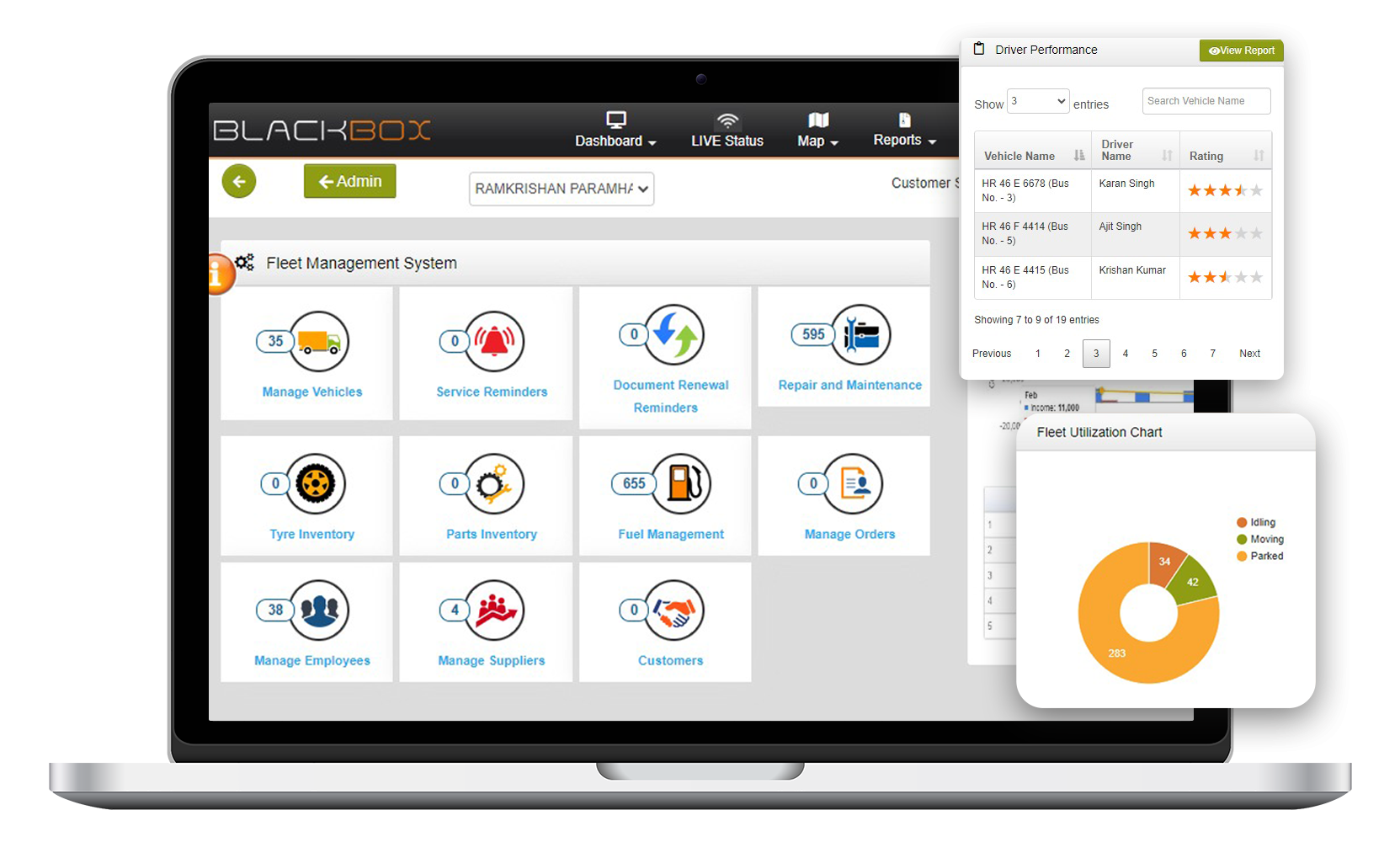
The global fleet management industry is on the cusp of its most significant transformation since the advent of the internal combustion engine: the electrification of commercial vehicle fleets. A forward-looking market analysis of the fleet management software industry indicates that the transition to electric vehicles (EVs) is a major future trend that will require a complete rethinking of fleet management software and strategies. A key point related to the fleet management software industry's future is that managing an EV fleet presents a completely new set of challenges compared to managing traditional gasoline or diesel vehicles. Instead of tracking fuel levels and oil changes, fleet managers must now manage battery state of charge (SoC), charging station availability, and the impact of factors like temperature and payload on vehicle range. The key players in the fleet management space, such as Geotab and Samsara, are aggressively developing specialized EV fleet management modules to address these new needs. The future in the fleet management software industry is one where the ability to effectively manage mixed fleets of both internal combustion and electric vehicles will be a critical competitive differentiator. This transition is most advanced in Europe and parts of North America, where regulatory pressure and government incentives are accelerating EV adoption.
The specific software features required for EV fleet management are highly specialized. A key point is the need for sophisticated charging management. The software must be able to monitor the real-time state of charge of every vehicle, identify available charging stations (both public and at company depots), and intelligently schedule charging sessions to ensure vehicles are ready for their routes while also taking advantage of off-peak electricity rates to minimize costs. Route planning for EVs is also more complex, as the software must account for the vehicle's available range and plan routes that include necessary charging stops. Key players are integrating their platforms with charging station network data to provide this functionality. The future of this application will involve dynamic rerouting based on real-time battery level and charger availability. The fleet management software industry size is projected to grow USD 60.09 Billion by 2035, exhibiting a CAGR of 6.92% during the forecast period 2025-2035. A significant portion of this future growth will come from the software and services required to manage the world's growing fleet of electric commercial vehicles, a trend that will eventually extend to the logistics hubs of APAC and the urban delivery fleets of South America and the MEA.
Beyond just managing the operational aspects of EVs, fleet management software is becoming a critical tool for helping companies achieve their broader corporate sustainability goals. A key point is that the software provides the essential data for sustainability reporting. The platform can accurately track a fleet's total fuel consumption, mileage, and idling time, which can then be used to calculate its total carbon footprint (CO2 emissions). For companies that are transitioning to EVs, the software can track the reduction in emissions and help them report on their progress towards their environmental, social, and governance (ESG) targets. Key players are building dedicated sustainability dashboards into their platforms to make this reporting easier. The future in the fleet management software industry will see a greater focus on holistic sustainability management, including tracking metrics related to waste reduction and responsible asset disposal. This focus on sustainability is a global trend, driven by regulatory pressure in Europe, investor demands in North America, and a growing corporate consciousness in all regions, making it a key value proposition for modern fleet management software.
In summary, the key points for the future of fleet management are the critical need to manage the transition to electric vehicles and the growing importance of sustainability. The key players are developing specialized software modules for EV charging management, range-aware routing, and ESG reporting. The future in the fleet management software industry is one where the platform will not just be an operational tool, but a strategic one for managing a company's energy transition and environmental impact. This is a global trend that will reshape fleet operations in all regions, from the EV-adopting markets of North America and Europe to the future electric logistics networks of APAC, and the emerging green initiatives in South America and the MEA.
Top Trending Reports -
France Enterprise Asset Management Industry

 English
 Turkish
 French
 Spanish
 Portuguese
 Deutsch
 Arabic
 Dutch
Dutch
 Russian
 Romaian
 Portuguese (Brazil)
 Greek
Greek